

Dropshipping gets pitched as the perfect business: no warehouse, no upfront stock, no risk. You sell, the supplier ships, you keep the margin. That’s technically accurate — but it leaves out enough to make most people quit in month two.
Here’s what dropshipping actually involves, what it costs to start properly, and whether the effort is worth it given the alternatives.
How dropshipping actually works
You build an online store and list products for sale. When a customer orders, you purchase that product from a third-party supplier — usually at a lower price — and they ship it directly to your customer. You never handle the physical product.
The model makes sense on paper. No inventory means no upfront stock risk, and you can list hundreds of products without buying any of them first. The catch is that your margins are thin (typically 15–30%), you have no control over shipping times or quality, and you’re responsible for customer service even when the problem is entirely the supplier’s fault.
Most dropshipping courses leave this bit out: you’re selling something you’ve never touched, from a supplier you didn’t vet properly, to a customer who expects Amazon-level speed. When it goes wrong, it’s your reputation on the line.
Picking a niche that can actually make money

Selling “everything” on a general store doesn’t work at the start. Suppliers are cheaper and easier to find in a specific niche, and marketing becomes vastly simpler when you know exactly who you’re selling to.
A good dropshipping niche has three things: real demand, manageable competition, and reasonable margins. You can check demand using Google Trends and keyword tools like Ubersuggest. Competition you can gauge by searching for the product on Amazon and checking how many established sellers exist. Margins are harder — you need to find actual supplier prices before you can model them.
Niches that tend to work: pet accessories, home organisation, specific fitness equipment, hobby-adjacent products (photography, gaming, outdoor). Niches to avoid: fashion (returns kill you), electronics (warranty issues and high return rates), and anything dominated by Amazon’s own brand.
For the UK, products that don’t require a UK-specific certification or voltage conversion make life easier. For the US, avoid categories with heavy FDA or safety regulations unless you’ve verified supplier compliance.
Finding suppliers worth using
Most dropshipping guides default to AliExpress. It’s fine for testing, but slow shipping from China (typically 2–4 weeks to the US or UK) is a real conversion killer. Customers expect delivery in days, not weeks.
Better options depending on your market:
US-based suppliers: Spocket, Zendrop, and Modalyst all have US and EU warehouses, which gets delivery times down to 3–7 days. They’re more expensive than AliExpress, but your customers are significantly less likely to churn mid-purchase on a 3-week shipping estimate.
UK suppliers: Spocket has a decent UK supplier network. For UK-specific products, directly approaching wholesalers (many list on Wholesale Deals or Faire) and negotiating dropshipping terms works better than relying on platforms.
Before you list any product, order it yourself. Check the quality, how it’s packaged, how long it actually takes to arrive. This £20–£50 spend will save you from building a whole store around a product you’d be embarrassed to sell.
Setting up your store
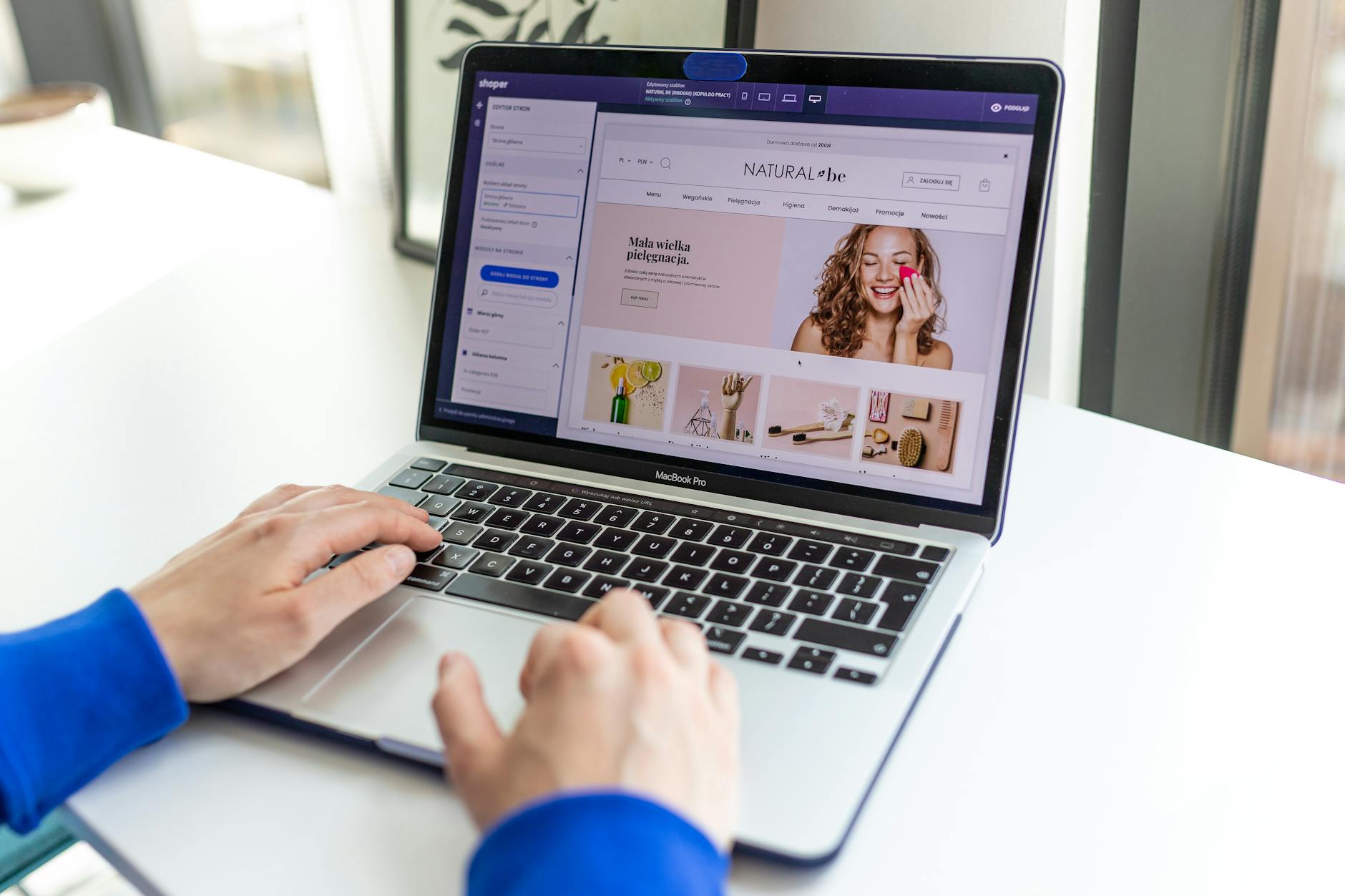
Shopify is the standard for dropshipping. It costs around £29/$29 a month (first three months are discounted), integrates with every major supplier app, and handles payments without much setup friction.
The things that matter most for a store that converts:
Your product photography needs to be clean and accurate. If you’re using supplier images, edit out any branding, compare across several suppliers, and use a consistent style. Generic marketplace photos on a store that’s trying to look premium kill trust immediately.
Product descriptions should be written for your buyer, not copied from the supplier. Most supplier descriptions are SEO-dumped keyword lists. Rewrite them to answer the actual questions someone buying the product would have.
Pricing: most beginners underprice. If your supplier charges £8 for a product, landing price after shipping is £12, and Shopify and payment processing take another 3–4%, you need to price at a minimum of £25–£30 to make the numbers work — more if you’re running paid ads.
Getting your first sale
This is where most dropshipping businesses actually fail. The store is built. The products are listed. Nothing sells.
The two routes to first sales are paid advertising and organic marketing. Paid ads (primarily Meta and TikTok) can generate sales fast, but you’ll lose money while you find a profitable ad before you find a profitable one. Expect to spend £200–£500/$300–$700 testing before knowing whether a product-audience combination works. If this budget isn’t available, paid ads aren’t the right starting point.
Organic works more slowly but without the upfront cost. TikTok content around the product (unboxing, before/after, problem-solution) can drive real traffic if you can make it consistently. Pinterest works for home, fashion, and lifestyle products. Instagram for visually strong products. SEO is a longer game — 6–12 months before meaningful traffic — but relevant if you plan to run the store long-term.
A realistic first-month expectation: zero sales if you’re not pushing traffic. Five to twenty sales if you’re actively running ads or producing content. The idea that dropshipping generates passive income from launch is wrong — it’s active marketing work, full stop.
What actually goes wrong
Shipping problems. Your supplier runs out of stock mid-sale. An order gets lost in transit. Delivery takes six weeks instead of two. These happen regularly, and every time, you’re the one handling an angry customer who expected a product last week.
Returns and disputes. Dropshipping return rates are higher than for retailers with real quality control, because you can’t inspect what you’re selling. A 5% return rate sounds fine until the return shipping costs more than the profit margin.
Supplier quality drift. Suppliers change manufacturers, cut corners, or get overwhelmed with orders. The product you tested six months ago is not necessarily what your customers are receiving now.
Account bans. If you’re using Meta ads and your product touches any flagged category (health claims, restricted items), your ad account can be disabled without warning. Getting it back is slow and not guaranteed.
Margin squeeze. Ad costs rise. Supplier prices increase. Shopify fees and app subscriptions (many supplier apps cost £20–£60/month) eat into margins that were already thin. Stores that look profitable at launch often aren’t at month six.
The numbers you actually need to make it work
A dropshipping business that’s genuinely profitable typically needs:
- Product margin of at least 40–50% after all costs (supplier price, shipping, payment fees, returns)
- A customer acquisition cost (CAC) below the average order value
- Either repeat purchases or a high enough average order value to justify ad spend
On a £30 average order value and 40% margin (£12 gross), you have £12 to cover ads, apps, and your time. If Meta ads cost you £10 to acquire a customer, you’re making £2 per order. That’s not a business — that’s a treadmill.
The math works better on higher-ticket items (£80+) where margins hold up better relative to fixed acquisition costs. Or on products with genuine repeat purchase potential, where the first-order economics don’t need to be great because the customer comes back.
Is it worth it?
Dropshipping is real. People make money from it. But the success rate for people who start with a Shopify store, list some AliExpress products, and expect passive income is extremely low.
What dropshipping actually teaches — product research, marketing, customer service, ad testing — is genuinely valuable and transferable. If you approach it as a paid education in e-commerce with the potential to build something real, that’s a reasonable way to think about the first £500–£1,000 you’ll spend learning.
If you’re already building an online business or running freelance work, dropshipping can complement that by letting you test product ideas without capital risk. Starting it as a side project alongside income from something more predictable reduces the pressure enough to make proper decisions rather than desperate ones.
Before going all-in on a store, it’s worth writing a simple business plan — even one page — to force yourself to model the unit economics before you’re three months and £800 deep.
Where to actually start
- Pick one niche, not a general store. Research demand and competition before choosing.
- Find two or three potential suppliers and order samples.
- Build a minimal Shopify store — ten good products, not a hundred mediocre ones.
- Choose one traffic channel and commit to it for at least 60 days.
- Track every pound or dollar: supplier cost, shipping, ad spend, returns, app fees. If the numbers don’t work on paper after 60 days of real data, the model isn’t working — and it’s better to know that before month six.
The stores that succeed in dropshipping aren’t the ones that launch fastest. They’re the ones that stuck around long enough to find a product that worked, an audience that bought repeatedly, and a supplier who didn’t let them down.