

Credit card rewards are genuinely useful — or a trap that costs you more than you earn, depending entirely on how you use the card. The people who come out ahead are a specific type: they pay their balance in full every month, without exception. Everyone else is subsidising those people.
1. How reward cards work
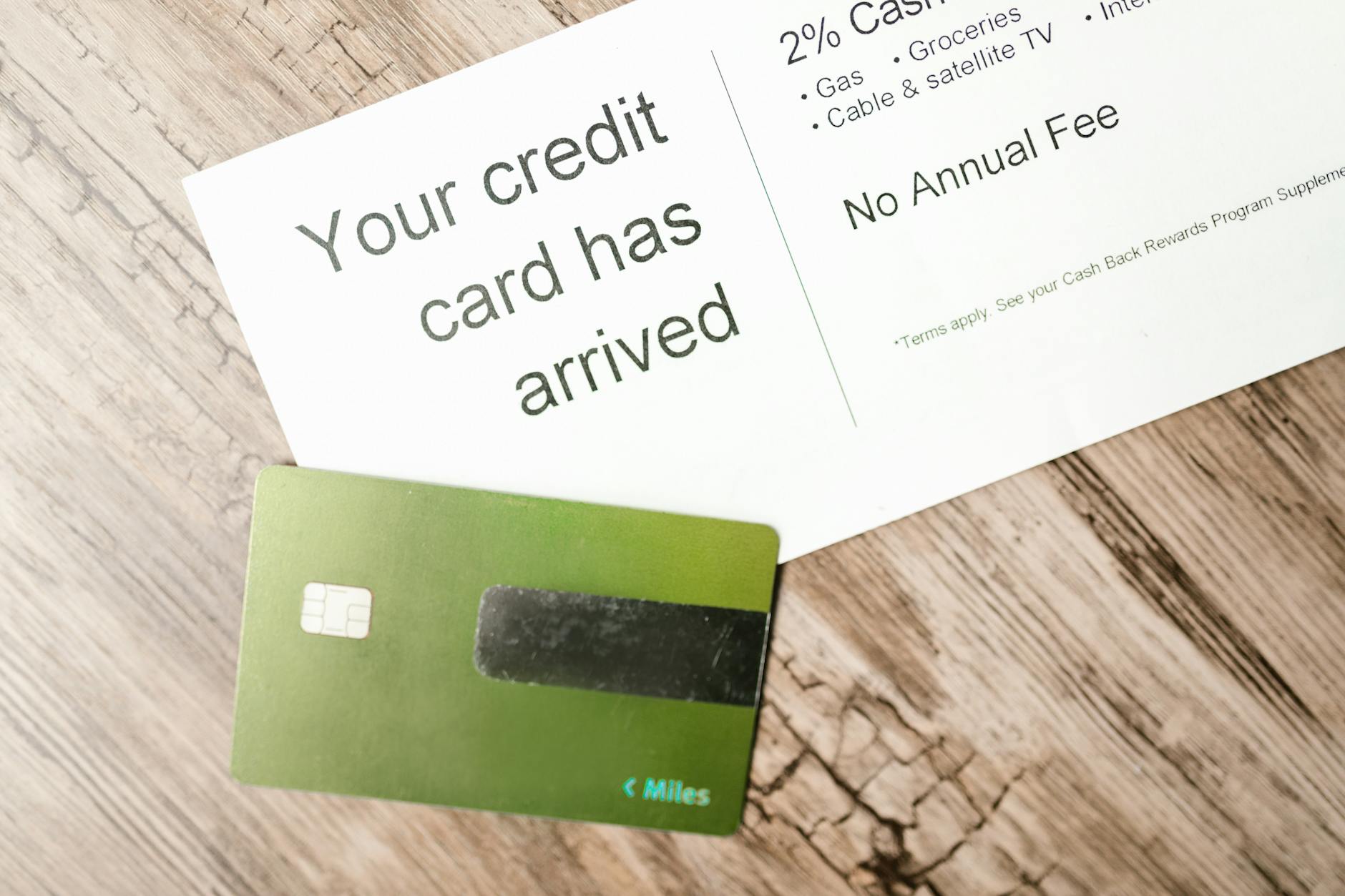
Reward credit cards give you something back for spending — points, cashback, or miles — typically calculated as a percentage of what you spend. A 1% cashback card gives you £1 back for every £100 you spend. A points card gives you X points per pound or dollar, which can be redeemed for travel, gift cards, or statement credits.
In the UK, the American Express range is the most prominent for rewards, though several bank-issued Visa and Mastercard options exist. In the US, the market is larger and more competitive, with cards offering 1.5–5% back on various spending categories.
Many reward cards charge an annual fee. Whether that fee is worth paying depends on whether you spend enough to earn back more than the fee in rewards — plus something extra to justify the card over a free alternative.
2. The three types of reward
Cashback
The simplest to understand. You spend money and get a percentage returned, either as a statement credit or direct payment. There’s no points conversion rate to calculate, no expiry dates to track. What you see is what you get.
Cashback rates in the UK typically run between 0.5–5% depending on spending category and whether you pay an annual fee. In the US, flat-rate cashback cards commonly offer 1.5–2%, while category-specific cards can offer 3–5% on petrol, groceries, or dining.
Points
Points are more flexible than cashback but also more complicated. They can usually be redeemed for travel, merchandise, or statement credits, but the value per point varies significantly depending on how you redeem them. Points redeemed for economy flights are often worth more per point than the same points redeemed for gift cards.
The catch with points is that they can devalue over time if the programme changes its redemption rates, and they expire if you don’t use your card for an extended period.
Miles
Travel miles (frequent flyer miles) are a specific type of points tied to airline or hotel programmes. They’re most valuable for people who travel regularly, particularly for business or premium cabin flights where the redemption value per mile is highest. For someone who flies twice a year on short-haul routes, a cashback card will often provide better practical value.
3. How to actually benefit
Pay in full, every month
This is the only rule that matters. Credit card interest rates in the UK average around 24% APR and in the US around 20–25% APR — rates that wipe out any rewards within one or two billing cycles of carrying a balance. A 1% cashback reward is worth nothing if you’re paying 24% interest on the outstanding balance.
How credit card interest actually works covers the compounding mechanics in detail. The short version: carrying a balance turns a rewards card into an expensive loan with a small discount.
Set up a direct debit or autopay for the full balance each month. Not the minimum payment — the full balance. This is the non-negotiable starting point for rewards to make sense.
Match the card to your actual spending
The best reward card for you depends on where you actually spend. If you spend most on groceries and fuel, a card with high rates in those categories beats a flat-rate card. If you travel frequently, a travel card with lounge access and no foreign transaction fees may be more valuable than a cashback card.
Look at three months of real spending data before choosing a card. The reward category that looks most attractive in a comparison site isn’t always the one that pays out most for your actual habits.
Do the annual fee maths
A card charging £150/year needs to return more than £150 in rewards to beat a free card with a lower earn rate. For high spenders or frequent travellers, paid cards often win. For people who spend less, a fee-free card with a lower reward rate frequently comes out ahead.
The calculation isn’t complicated: estimate your annual spend in each reward category, apply the earn rate, and compare the result against the annual fee plus what a free card would return on the same spending.
Sign-up bonuses can be worth chasing
Many reward cards offer a significant bonus for meeting a spending threshold in the first few months — sometimes enough to pay for a flight or return several hundred pounds. These bonuses are worth planning for if you have a large purchase already budgeted, since you can put it on the new card and hit the threshold without spending more than you would have anyway.
The trap is spending extra just to hit the bonus threshold. That’s spending real money to earn rewards worth a fraction of the spend.
4. What to watch out for
Carrying any balance at all. There’s no version of this where rewards beat interest charges. If you can’t commit to paying in full monthly, a reward card isn’t the right tool yet.
Rewards that expire or get devalued. Points programmes can and do change their redemption rates. Cashback is immune to this — what you earn is what you keep.
Foreign transaction fees on travel. Some reward cards charge 2–3% on purchases made abroad, which eats into any travel benefits. If you travel internationally, check the foreign transaction fee before assuming a card is travel-friendly.
Letting rewards change your spending. The point of a rewards card is to earn something back on spending you’d do anyway, not to justify spending you wouldn’t otherwise make. A 2% cashback card doesn’t make a £500 purchase 2% cheaper — it makes it £490 more expensive than not buying the thing.
Annual fees you forget to cancel. If you open a card for a sign-up bonus and the ongoing value doesn’t justify the fee, downgrade to the free version or cancel before the annual fee renews.
5. UK vs US: what’s different
In the UK, American Express cards offer some of the best reward rates but aren’t accepted everywhere — a Visa or Mastercard backup is useful. Section 75 of the Consumer Credit Act also gives UK cardholders protection on purchases between £100–30,000, which has nothing to do with rewards but is a meaningful benefit of paying by card.
In the US, the market is more competitive and rewards are generally higher. The credit card ecosystem is also more integrated with credit-building, so a rewards card can serve both purposes. Building your credit score from zero covers the credit-building angle in more detail.
The one-line version
If you pay your balance in full every month, reward cards are straightforward free money on spending you’re doing anyway. If you don’t, the interest charges cost you far more than the rewards return. The math only works one way.
The monthly budget guide is useful for making sure the full balance payment is built into your monthly plan rather than left to chance.