

Most people assume starting a business means quitting their job, renting an office, and spending months writing a business plan nobody will read. Online business has made all of that optional.
Today you can validate an idea, find your first customers, and start making money before you’ve spent a single dollar on setup. The barrier to entry is lower than it’s ever been. The harder part isn’t starting — it’s picking the right model and then doing the unglamorous work of actually finding customers.
Why starting online changes everything
A physical business needs inventory, premises, staff, and cash upfront. An online business can start with a laptop, a $15 domain, and a service or product people actually want.
That matters for two reasons. First, the risk is low enough that you can test ideas alongside a job without betting your rent on them. Second, your market isn’t limited to your postcode. A freelance designer in Manchester can work with clients in New York. A digital product sold on Etsy ships to 200 countries at zero additional cost.
If you’re already making money from side hustles, an online business is the natural next step. The difference is usually structure, consistency, and treating it like a business rather than a hobby.
Step 1: Choose your business model

There are three main ways to make money online, and picking the right one early saves a lot of wasted effort.
Selling services
The fastest route to revenue. You sell your time and skills directly to clients: writing, design, development, consulting, social media management, bookkeeping — whatever you’re already good at.
You can start with zero upfront cost and land a paying client in days. The downside is it doesn’t scale easily, since your income is tied to your hours. Freelancing as a web designer is a solid example of how to turn a skill into a repeatable income source. Platforms like Upwork and Fiverr let you reach clients immediately without building your own audience first.
Selling products
E-commerce covers both physical and digital products, but they work very differently. Physical products need inventory, storage, and shipping — margins are tighter and complexity is higher. Shopify is the standard starting point: it handles payments, inventory, and your storefront in one place.
Digital products are a different story. An ebook, a Notion template, a Lightroom preset pack, a course — you create it once and sell it indefinitely. Etsy has become a strong marketplace for digital downloads, and the overhead is near zero. There’s no cost of goods per sale, so margins are high.
Selling content or community
Newsletters, YouTube channels, podcasts, paid communities — these build audiences first and monetise later through ads, sponsorships, affiliate links, or memberships. The payoff can be significant, but it takes longer. Most people who go this route are playing an 18–24 month game before seeing meaningful revenue. Worth considering alongside one of the other two models rather than instead of them.
Step 2: Validate before you build anything
The most common mistake new business owners make is spending weeks building a website, a logo, and a product before they’ve confirmed anyone will pay for it.
Validation is simpler than people make it. For a service business, email ten people in your target market and offer to solve their problem. If you can’t get one paying client from ten conversations, the pitch needs work — not the website. For a product, post it on Reddit, in Facebook groups, or on a marketplace and see if anyone bites. A Gumroad page with a product description and a price tells you more in a week than a month of product development.
The goal is finding out whether real people will hand over real money before you’ve invested significant time.
Step 3: Set up the basics

Once you’ve validated the idea, set up the infrastructure. Don’t do this before step 2 — it’s procrastination disguised as progress.
For a service business, a simple one-page website is enough to start. Squarespace and Wix are both solid options: no technical knowledge required, and you can have something live in an afternoon. If you’re selling products, Shopify is worth the monthly cost for what it handles out of the box.
Buy a domain that matches your business name. Short, easy to spell, memorable. A .com is still the safest bet if you’re targeting a global audience.
For branding, Canva has templates for logos, social graphics, and everything else you’ll need early on. Keep it consistent — same colours, same fonts across your site and social profiles. It builds trust faster than most people expect.
For payments, Stripe is the default choice. It integrates with almost every website builder, handles international cards, and deposits directly to your bank account. PayPal works too, but Stripe’s dashboard is cleaner and the fees are similar.
Step 4: Go find your first customers
This is where most online businesses stall. The website is live, the product is ready, and then nothing happens — because the owner is waiting for customers to appear.
In the early stages, you go find them.
For a service business, start with your existing network. Tell people what you do. Post about it on LinkedIn. Join communities where your target clients spend time — industry Slack groups, Reddit threads, Facebook groups — and be genuinely useful before you pitch anything. Most early freelance and consulting businesses grow this way.
For product businesses, find where your buyers already are. Selling digital templates? That’s Pinterest, Instagram, and Etsy. Selling a B2B tool? That’s LinkedIn and niche forums. Go to them, not the other way around.
Email is worth setting up early even if your list is tiny. Mailchimp’s free plan handles up to 500 contacts and gives you a direct line to people who’ve shown interest. Social platforms change their algorithms constantly; an email list doesn’t.
Step 5: Sort the legal and financial side
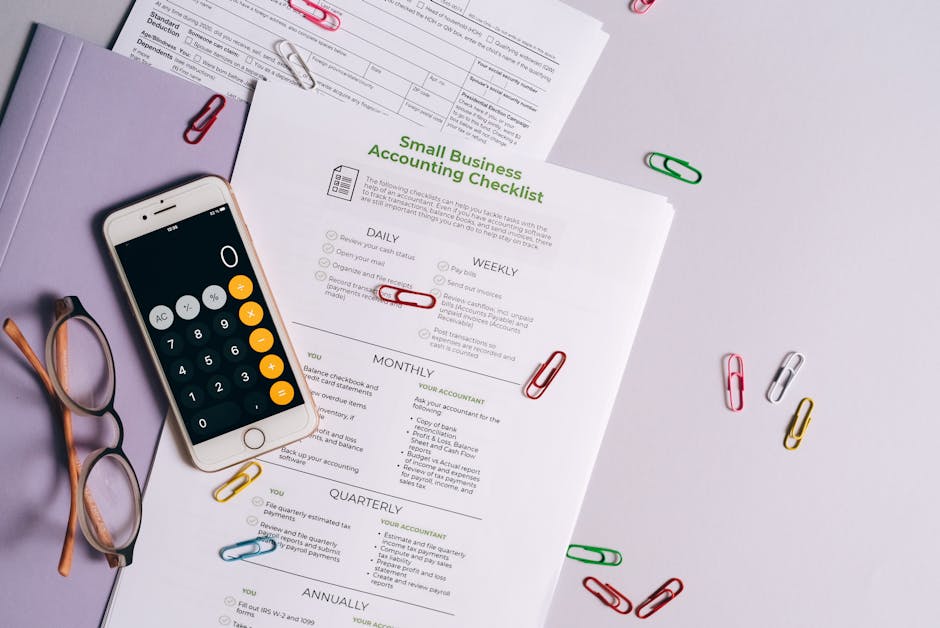
Not the exciting part, but skipping it creates problems later that are much harder to fix.
Register the business. In the UK, registering as a sole trader with HMRC takes about ten minutes and costs nothing. In the US, forming an LLC costs $50–500 depending on the state and gives you basic liability protection. Neither requires a lawyer.
Open a separate bank account for the business and run all income and expenses through it. This one step makes tax time dramatically simpler and gives you a clear view of whether the business is actually profitable.
Set aside around 20–30% of revenue for tax as you go. Don’t wait until the bill arrives to think about it. Building that into a monthly budget from the start keeps it from becoming a nasty surprise.
Why most online businesses don’t make it past six months
It’s rarely a bad idea that kills them. It’s usually execution habits.
Waiting too long to launch is the first one. Nobody’s first version is good. Launch with something that works, learn from real customers, and improve from there. Months spent perfecting a product before anyone has seen it are usually months wasted.
Undercharging because it feels safer is the second. Low prices attract difficult clients, make the unit economics impossible, and create a race to the bottom. Research what the market charges and price in that range. It’s easier to lower prices than raise them once clients expect a certain number.
Skipping the admin is the third. No business bank account, no expense tracking, no idea what they owe in tax. These things are manageable when the business is small. When revenue picks up, they become expensive to untangle.
Trying to do too many things at once kills more businesses than anything else. One model, one audience, one channel. Get traction before expanding. The businesses that struggle earliest usually have three ideas running in parallel with none of them executed properly.
What to do with the money when it starts coming in
The first instinct when the business starts earning is usually to spend it — on equipment, on tools, on things that feel like business expenses but are really just upgrades. Easy trap to fall into.
The better move is to treat the income like any other source of money and plan for it properly. Pay yourself a set amount. Keep the rest in the business for reinvestment. And start investing early with whatever you can set aside. The compounding effect that works on a salary works on business income too.
Business income that gets spent on lifestyle upgrades the moment it arrives is just a job with more paperwork.
Stop planning, start building
The gap between people who run successful online businesses and people who don’t usually isn’t knowledge. It’s action.
Pick a model that matches your skills. Validate it with real people before you build anything. Get one paying customer. Then get another. The rest figures itself out faster than any business plan predicts — and it definitely figures itself out faster than another week of planning.