

Renting is “throwing money away.” Buying is “the best investment you’ll ever make.” Both of these statements are repeated constantly, and both are wrong often enough to be dangerous.
The rent vs buy decision is one of the most significant financial choices most people make in their 20s and 30s. Getting it right requires looking at the actual numbers — not the received wisdom.
The real cost of buying
A mortgage payment is not the cost of owning a home. It’s the starting point.
On top of the mortgage, homeowners pay:
- Stamp duty (UK) or closing costs (US, typically 2–5% of purchase price)
- Buildings and contents insurance — £200–£600/year in the UK, $1,200–$2,000/year in the US
- Maintenance and repairs — financial planners typically budget 1–2% of the home’s value annually. On a £300,000 home, that’s £3,000–£6,000 a year on average
- Ground rent and service charges if buying a leasehold flat in the UK
- Estate agent fees of 1–3% of the sale price when you eventually sell
The often-quoted “your mortgage is cheaper than rent” comparison ignores all of this. When maintenance, insurance, and transaction costs are included, ownership is frequently more expensive per month than equivalent renting — particularly in the first ten years before equity has meaningfully built.
The real cost of renting
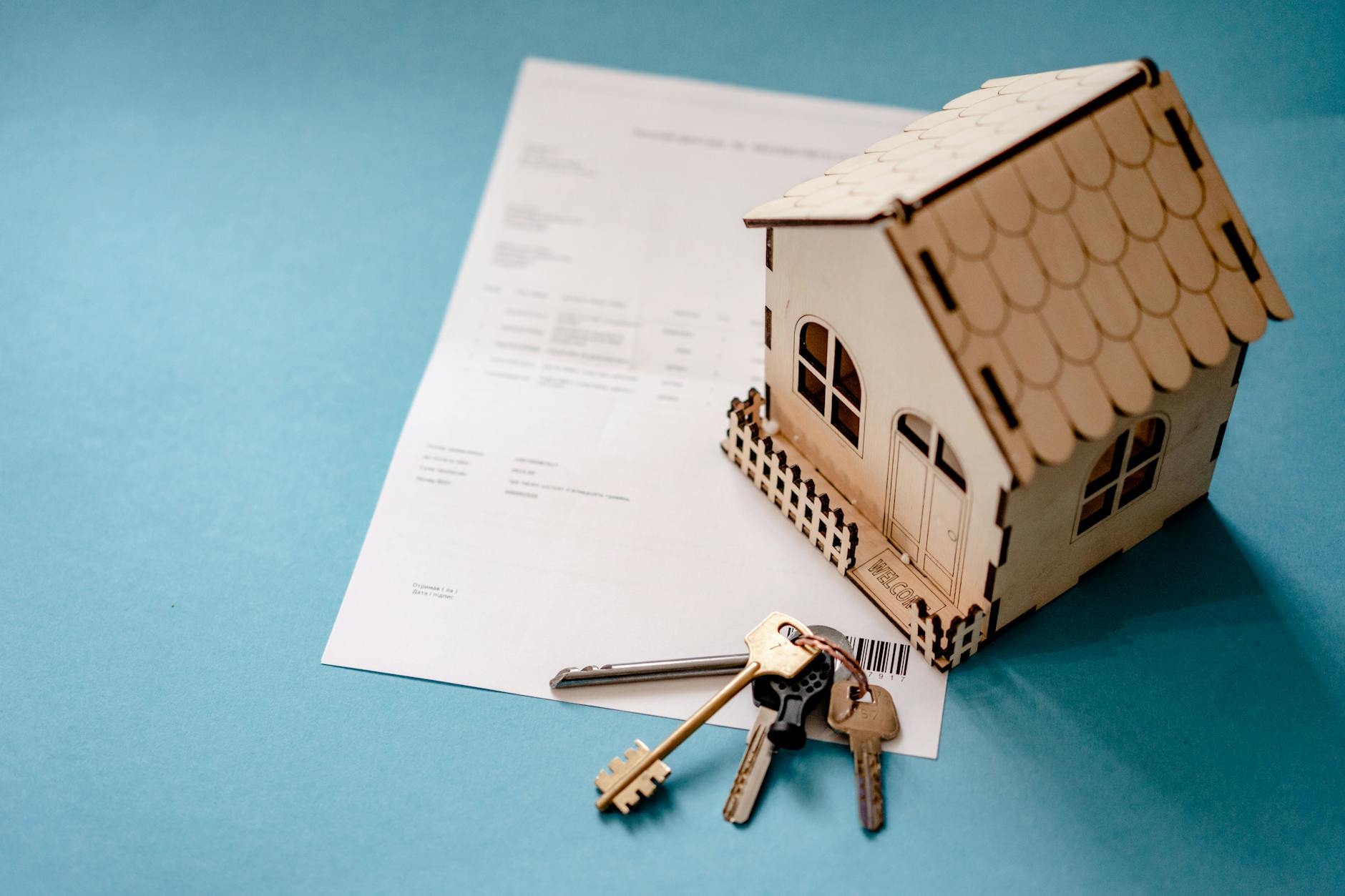
Renting is not throwing money away. You’re paying for housing — the same way paying for a meal isn’t throwing money away because you don’t own the restaurant.
What renters don’t get is equity accumulation. Every mortgage payment reduces the amount you owe; rent payments don’t do this. Over 25–30 years, this matters enormously.
What renters do get: flexibility, no maintenance costs, no transaction costs when moving, and the ability to invest the deposit they didn’t tie up in property. This last point is significant and often ignored.
The opportunity cost calculation
If you put a £30,000 deposit into a house, that’s £30,000 that isn’t invested in the stock market. Over 20 years at a 7% average annual return, that £30,000 would grow to roughly £116,000.
The question isn’t just “is my house worth more than I paid?” It’s “is my house worth more than what I would have had if I’d invested the deposit and rented instead?”
In some markets, over some periods, property wins this comparison. In others, it doesn’t. The UK housing market has broadly outpaced inflation, particularly in London and the South East. But the FTSE All-World has outpaced UK property over most 20-year periods when total returns (including dividends) are included.
The honest answer is that it depends on the market, the property, and your personal timeline.
When buying makes financial sense

Buying makes more sense when:
You plan to stay for at least five to seven years. Transaction costs (stamp duty, solicitor fees, estate agent fees when selling) typically cost 5–8% of the property value across the full cycle. You need enough price appreciation and mortgage repayment to cover those costs before selling becomes worthwhile.
The mortgage payment (plus realistic ownership costs) is comparable to equivalent rent in the same area. If monthly ownership costs are significantly higher than renting, the financial case for buying is weaker.
You have a stable income and a secure emergency fund. A house is illiquid — you can’t sell half of it if you lose your job. Going into ownership without a financial buffer is risky in a way renting isn’t.
The emergency fund guide covers why this buffer matters especially for homeowners, who face unexpected maintenance costs renters don’t.
When renting makes financial sense
Renting makes more sense when:
You’re likely to move within five years. Property transaction costs make short-term ownership expensive. Flexibility has real financial value if your career, relationship, or location is likely to change.
The rent-to-price ratio is favourable. In cities where property prices are very high relative to rents — London, New York, San Francisco — the maths of owning rarely beats renting plus investing the difference, particularly in your 20s.
You don’t have enough deposit for a competitive mortgage rate. Buying at 95% loan-to-value means paying a significantly higher interest rate and potentially negative equity if prices dip. The house deposit guide covers how to get to a stronger position before committing.
The price-to-rent ratio
One useful metric for comparing markets: divide the median home price by the annual rent for a comparable property. A ratio above 20 suggests renting may make more financial sense; below 15 suggests buying is more advantageous.
In London, this ratio is often 25–30. In much of the US Midwest or Northern England, it’s frequently below 15. The same decision in different markets produces very different outcomes.
What the data actually shows
Studies comparing long-term total returns (including equity accumulation vs investment returns on deposit) show no consistent winner between renting and buying across all markets. The result depends heavily on:
- Where you buy (local price appreciation)
- When you buy (market timing matters over short periods)
- What you do with cash not tied up in a deposit
- How long you hold the property
- Whether you account for ownership costs honestly
The most honest conclusion: buying isn’t automatically superior to renting, and renting isn’t automatically a waste. The better question is which option leaves you in a stronger financial position given your specific situation, timeline, and local market.
The non-financial factors
Not everything is about returns. Stability, the ability to decorate, pet ownership, schools, community — there are real reasons to buy that have nothing to do with investment returns.
If buying makes your life materially better and you can afford it without overextending, that’s a valid reason. Personal finance exists to support the life you want, not the other way around.
Once the house is bought and the mortgage is set up, the money you’re building should go somewhere. Investing the difference — whether that’s the rent-versus-mortgage gap or monthly discretionary savings — is what builds wealth alongside property, not instead of it.
Make the decision with the actual numbers
Run your specific numbers before deciding. Calculate the full cost of buying (mortgage, maintenance, insurance, transaction costs) versus the full cost of renting (rent, plus what you’d invest with the deposit). Compare the outcomes over your intended timeframe.
Most people make this decision based on what feels right — and sometimes that’s fine. But knowing the numbers removes the anxiety of wondering whether you made a mistake, because you’ll have already worked out the answer.