
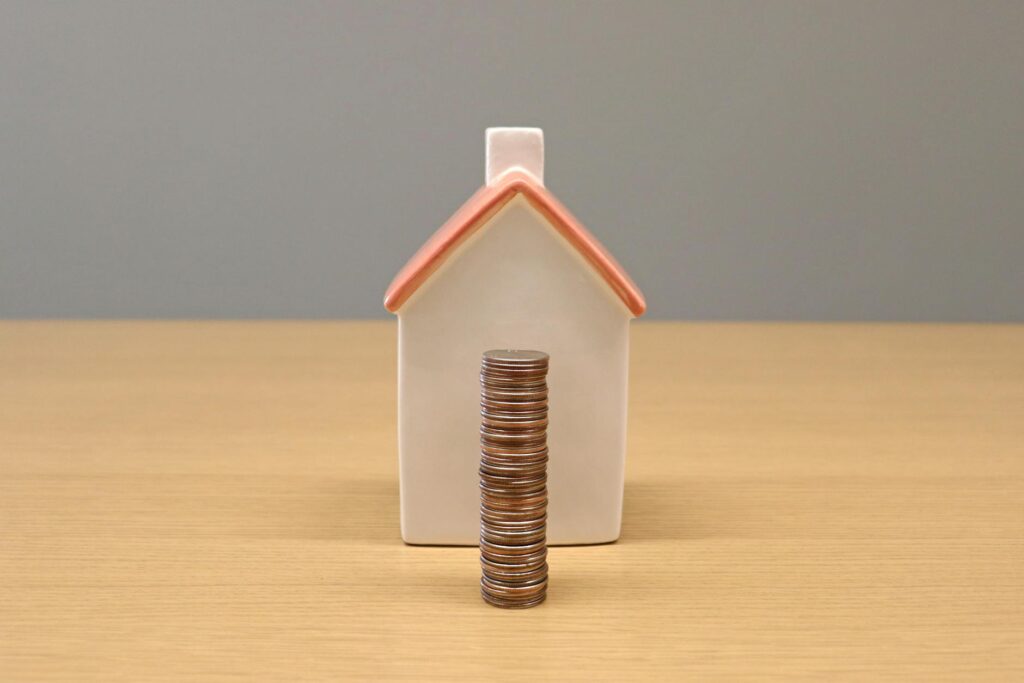
A house deposit is the biggest savings target most people in their 20s and 30s will ever set. In the UK, the average house price sits around £285,000, which means a 10% deposit is £28,500. In the US, median home prices are around $420,000 — and while FHA loans let first-time buyers put down as little as 3.5%, a 20% down payment to avoid private mortgage insurance is $84,000.
Those numbers feel out of reach for most people. They’re not, but they do require a plan — and most people never make one.
How long it actually takes
The timescale depends on three things: your target deposit, your income, and how aggressively you save.
A realistic example: saving £500 a month in the UK gets you to a £28,500 deposit in just under five years. Save £800 a month and you’re there in three. In the US, saving $1,000 a month toward a $25,000 FHA-eligible down payment takes just over two years.
The people who get there faster aren’t earning dramatically more — they’re being deliberate about where the money goes from the moment they start.
Step 1: Set a real target

Before you open a savings account, calculate the actual number you need.
In the UK, work out the price range of homes you’re targeting and multiply by your deposit percentage. Most lenders require at least 5%, but 10% unlocks significantly better mortgage rates and 15–20% opens the best deals. Factor in additional buying costs: solicitor fees (£1,500–£3,000), survey (£400–£1,500), stamp duty (if applicable), and moving costs.
In the US, factor in the down payment itself plus closing costs, which typically run 2–5% of the purchase price on top of the deposit. On a $350,000 home, that’s an additional $7,000–$17,500 beyond whatever you’re putting down.
Most people underestimate the target by 10–15% by forgetting these extras.
Step 2: Open the right account
Where you save matters as much as how much you save.
In the UK: The Lifetime ISA (LISA) is the most powerful tool for first-time buyers. You can save up to £4,000 per year and the government adds a 25% bonus — up to £1,000 free per year. The money must be used for a first home worth up to £450,000. Open one as early as possible; you can contribute until you’re 50, but you must open it before you turn 40. Stocks and shares LISAs can outperform cash over longer timeframes, but if you’re buying within five years, a cash LISA keeps the money accessible without investment risk.
In the US: High-yield savings accounts (HYSAs) are the default starting point — rates of 4–5% APY (as of 2025) outpace standard savings accounts significantly. Some states offer first-time buyer savings accounts with tax advantages. Roth IRA contributions (not earnings) can also be withdrawn penalty-free for a first home purchase up to $10,000 — making your Roth IRA work double duty if you’re also investing for the long term.
Keep deposit savings completely separate from your emergency fund and day-to-day accounts. Mixing them is the fastest way to accidentally spend them.
Step 3: Automate a fixed monthly contribution

Set up an automatic transfer the same day your paycheck arrives. The amount should come out of your invest-first budget as a non-negotiable line item — not whatever’s left over at the end of the month.
If you can’t save as much as you’d like right now, start with whatever you can commit to consistently. £200 a month is better than £600 saved sporadically. The habit matters more than the amount in the early months.
Review the amount every six months. Any pay rise, bonus, or reduction in expenses should increase your deposit contribution before anything else.
Step 4: Increase the speed
The fastest legitimate ways to accelerate a house deposit:
Increase your income. A salary increase, a promotion, or a side hustle that generates an extra £300–£500 a month can cut years off the timeline. Direct every extra pound or dollar to the deposit pot before it becomes part of your normal spending.
Cut a specific category hard, temporarily. Rather than vaguely “spending less,” pick one category — eating out, holidays, subscriptions — and reduce it sharply for 12 months. Track what you save and move it straight to the deposit account.
Windfall money goes straight in. Tax refunds, inheritance, birthday money, work bonuses — all of it. Every windfall you redirect to the deposit fund instead of spending is a meaningful step forward.
If you’re in the UK and haven’t yet built a solid emergency fund, sort that first. Drawing on your deposit savings every time something goes wrong is one of the most common ways timelines stretch.
Government schemes to know about
UK: The mortgage guarantee scheme lets lenders offer 95% mortgages (5% deposit) with government backing. Shared Ownership lets you buy 25–75% of a property and pay rent on the rest, with the option to buy more over time. First Homes is a scheme offering newly built homes at a minimum 30% discount for first-time buyers in England.
US: FHA loans require only 3.5% down and are more accessible with lower credit scores. VA loans offer 0% down for veterans and active service members. Many states run down payment assistance programs — often grants or low-interest loans of $5,000–$15,000 — that most first-time buyers never know to apply for.
Mistakes that delay first-time buyers
Saving without a target. “I’ll know it when I get there” is not a plan. Without a specific number, there’s no way to measure progress or know when you’re ready to start viewing properties.
Keeping the money in a current account. Even a 1–2% difference in interest rate compounds meaningfully over three to five years. A house deposit sitting in a 0.1% account while HYSAs pay 4–5% is real money left behind.
Dipping into the fund. Every withdrawal sets the timeline back further than the amount suggests, because it also costs the interest that money would have earned. Treat the deposit pot as untouchable.
Waiting for the “perfect time” to buy. Nobody consistently times the property market. If you have the deposit, a stable income, and the intention to stay in one place for at least five years, the decision to buy is more about personal readiness than market conditions.
Your deposit is already building
The gap between having a house deposit and not having one is mostly about consistency, not income. Most people who get there faster aren’t higher earners — they just started a separate account, automated a monthly transfer, and treated it like rent they were paying to their future self.
Start this week. Open the account, set the target, automate the transfer. Even if the number feels far away right now, every month of consistent saving shortens the timeline in a way that’s easy to underestimate at the start.