
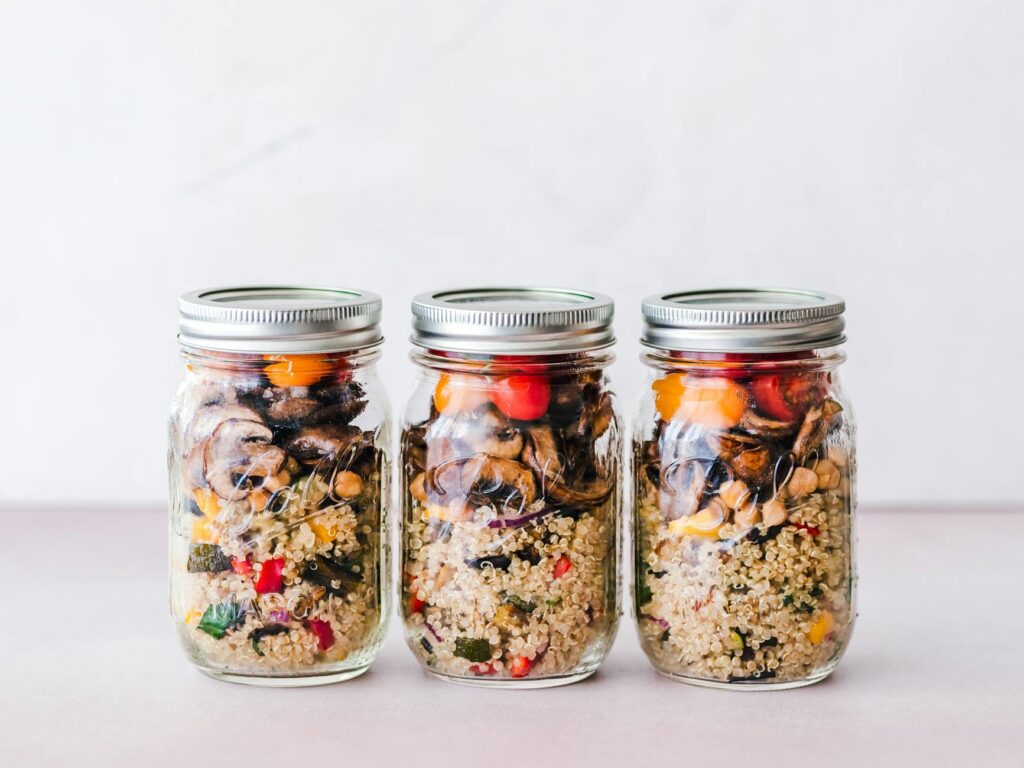
Food is one of the few major expenses that’s actually flexible. Rent and utility bills are largely fixed. Groceries and eating out are categories where consistent changes have a real and immediate effect on your monthly spend — without requiring you to eat worse.
The average UK household spends around £65–70 per person per week on food and drink combined, including eating out. In the US, the USDA’s moderate-cost food plan for a single adult runs around $300–350 per month. There’s usually significant room in both figures.
1. Meal planning
Meal planning sounds tedious and it often is the first few times. Once it becomes a habit, it’s the single most effective way to reduce grocery spend because it eliminates two things: impulse purchases and wasted food.
The basic version: before your weekly shop, decide what you’re going to eat each day. Write a shopping list based only on those meals. Buy only what’s on the list.
It sounds simple because it is. The reason most people’s grocery spend is higher than it needs to be isn’t that food is expensive — it’s that they buy food they don’t end up eating, and they make last-minute meal decisions that lead to expensive convenience options.
You don’t need to plan every meal. Planning dinners — the most expensive meal for most people — and keeping the same few things on hand for breakfast and lunch is enough to make a significant difference.
2. Supermarket strategy
Own brand and supermarket own-label products
In the UK, Tesco, Sainsbury’s, Aldi, Lidl, and others all produce own-label versions of most staple products. On most items — pasta, rice, tinned tomatoes, cooking oils, spices, milk, eggs — the quality difference between own-label and branded is minimal, and the price difference is often 30–50%.
In the US, grocery store own brands (often labelled “store brand” or the store’s own name) work the same way. Costco’s Kirkland brand is a well-known example at scale.
The category where own-brand switches make the biggest difference: staples you buy regularly and in quantity. Switching branded cereals, condiments, and toiletries to own-label costs almost no quality in daily experience and saves meaningfully over a year.
The reduced section
UK supermarkets reduce perishable items approaching their use-by date, usually in the early evening and occasionally in the morning. Meat, fish, dairy, and prepared foods are all commonly reduced by 25–75%. Shopping reduced requires flexibility — you don’t know what’ll be there — but regularly incorporating reduced items into meals cuts grocery spend without any planning.
Loyalty schemes and cashback
UK loyalty programmes — Tesco Clubcard, Sainsbury’s Nectar, Lidl Plus — offer genuine savings, particularly through the member-price offers that require a loyalty card. These are worth using for the supermarkets you already shop at regularly. Changing supermarkets to collect points is usually not worth the effort.
In the US, most major grocery chains have loyalty apps with personalised offers and digital coupons. These are worth activating and checking before a shop.
Shop with a list and don’t shop hungry
This sounds too simple to include but the research is consistent: shopping without a list leads to more impulse purchases, and shopping hungry increases purchases of higher-cost, ready-to-eat items. A list is genuinely effective.
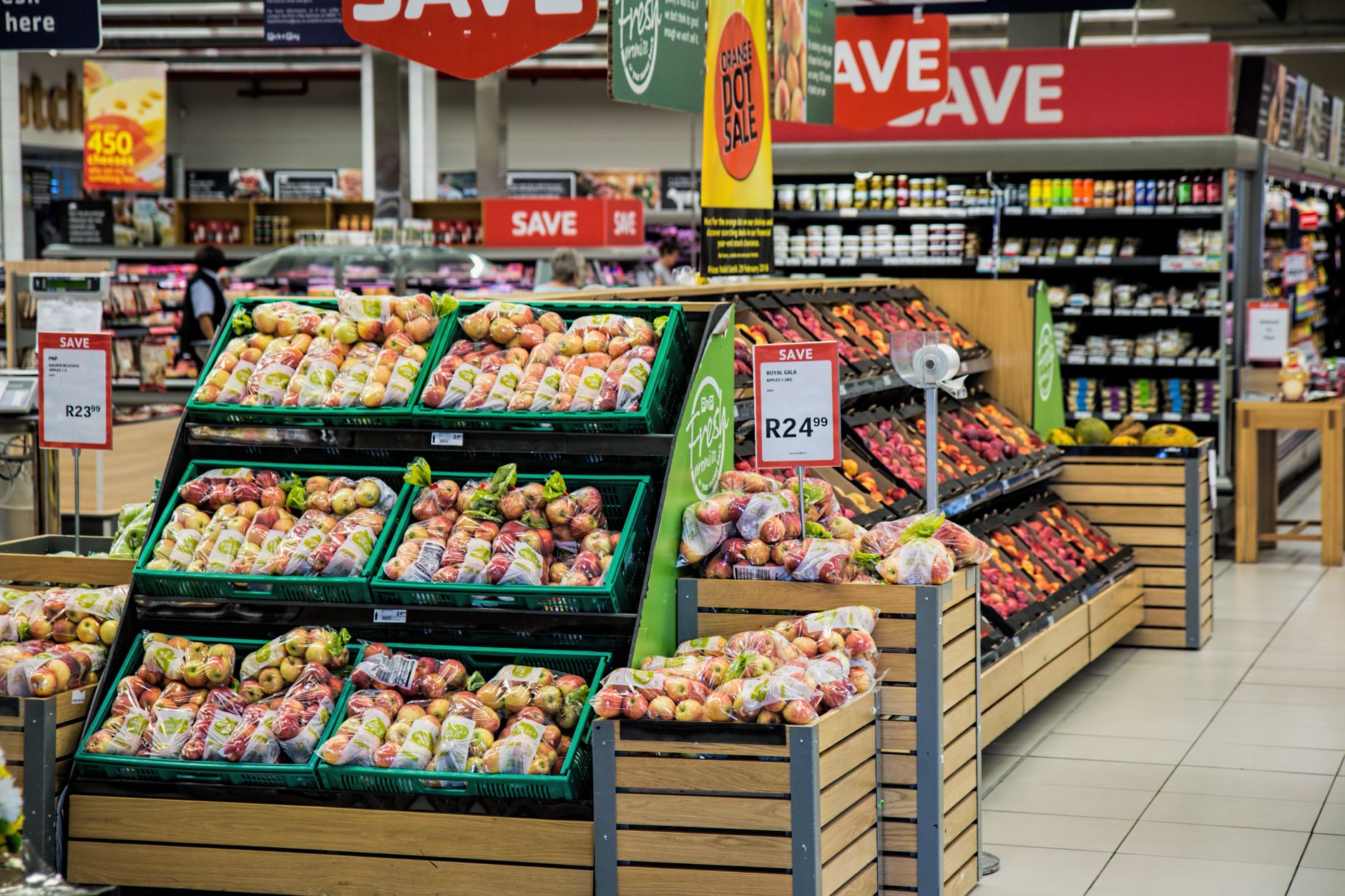
3. Reducing food waste
UK households throw away around £700 of food per year on average, according to WRAP. In the US, the USDA estimates that around a third of food purchased by consumers is wasted. This is genuinely one of the easiest categories to improve because reducing it costs nothing — you’re already paying for the food.
The main culprits: buying more fresh produce than you can use before it turns, buying ingredients for a specific recipe and not using the rest of the packet, and forgetting what’s in the fridge.
Practical fixes:
- Keep a rough mental or physical note of what’s in the fridge and use older items first
- Frozen produce is nutritionally similar to fresh and lasts far longer
- Most things approaching their use-by date can be frozen, including bread, meat, and many dairy products
- Base one or two meals a week around using up what’s left in the fridge rather than shopping for new ingredients
4. Batch cooking
Cooking in larger quantities and eating the results across multiple meals is one of the most effective food cost strategies available. A batch of lentil soup, chilli, or a pasta bake costs roughly the same to make as a single portion but provides four or five meals. Per-meal cost drops dramatically.
Batch cooking also reduces the number of days per week you need to cook from scratch, which reduces the temptation to order takeaway or buy convenience food when you’re tired.
The easiest entry point: when you’re already cooking something, double the quantity and either refrigerate the rest for the next day or freeze it for later in the week.
5. Eating out and takeaways
Restaurants and takeaways are where most food budgets actually leak. A meal out that costs £30–50 or $40–60 for two people represents many times the cost of cooking the same meal at home. Takeaway delivery apps add service fees and delivery charges on top of already-marked-up restaurant prices.
None of this means you should stop eating out. It means being deliberate about when it’s worth it. Meals out that are genuinely social or celebratory occasions are worth the money. A Tuesday takeaway because you couldn’t be bothered to cook is usually a choice that’s easy to make differently with a bit of meal planning.
The most effective approach isn’t eliminating eating out — it’s reducing low-value eating out (delivery apps for convenience meals at home) while protecting the genuinely enjoyable restaurant experiences. Most people find a significant reduction in food spend is achievable with no reduction in the eating experiences they actually care about.
6. Supermarket switching
The gap between premium supermarkets (Waitrose, M&S in the UK; Whole Foods in the US) and budget supermarkets (Aldi, Lidl in the UK; Aldi, Walmart in the US) is significant. A typical weekly shop at Aldi costs around 30–40% less than the equivalent at Waitrose.
For most people, doing the bulk of their grocery shopping at a budget supermarket and supplementing with specific items from a preferred supermarket represents the best balance of cost and quality. Shopping entirely at a premium supermarket when budget alternatives exist is one of the more expensive passive lifestyle choices available.
Putting it together
The biggest savings in food spending come from three things: planning what you’re going to eat before you shop, reducing wasted food, and being deliberate about eating out rather than doing it out of convenience or habit.
None of these require eating worse. A well-planned grocery shop with own-label staples and batch cooking produces better meals, more consistently, at lower cost than the alternative.
Cutting your monthly bills covers the broader picture if you’re looking to reduce spending across multiple categories. And if food spending is part of a broader budget overhaul, the monthly budget guide is a good place to work through where food fits in your overall finances.